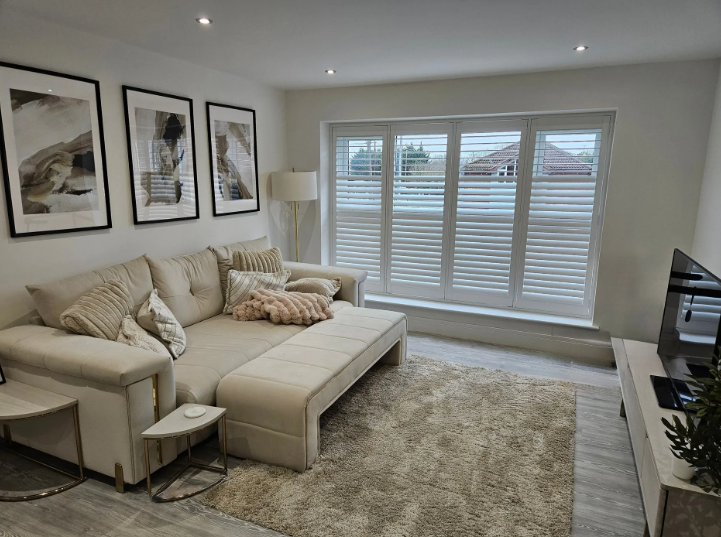
Contemporary Home Enhancement with Modern Shutters

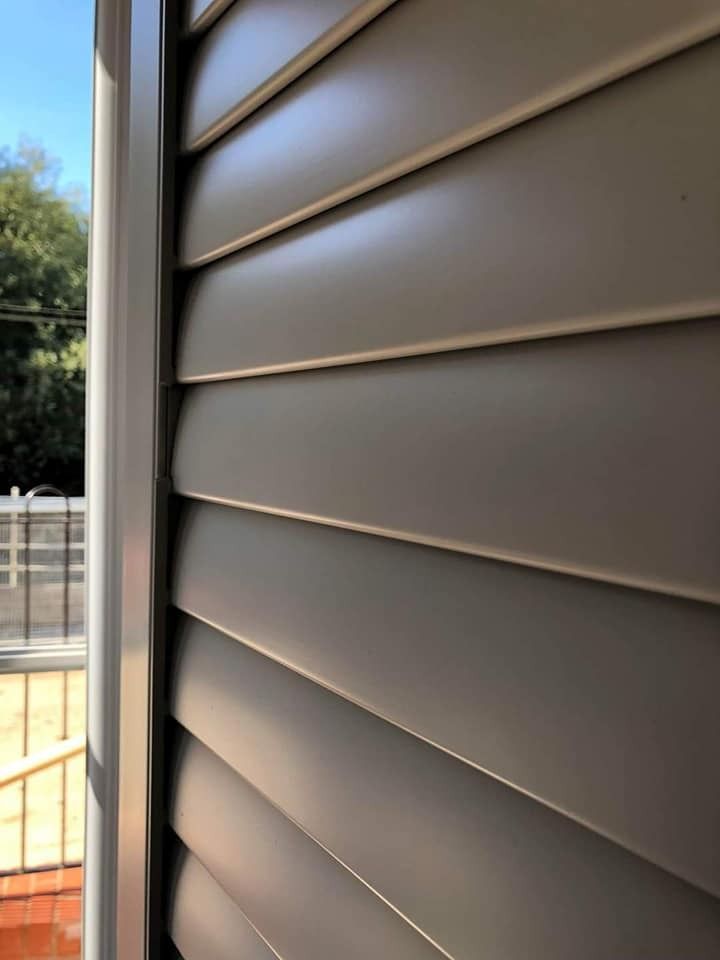
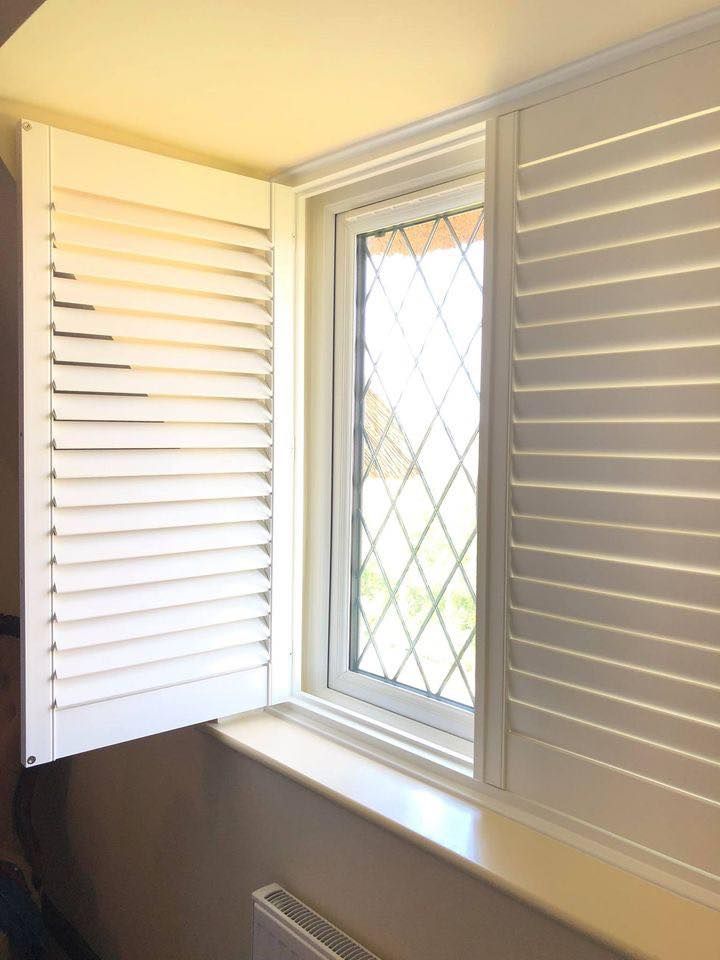
Modern shutters are doing a lot more than just covering windows. They’ve become a popular design feature for homes in Leicester, helping homeowners create a cleaner, more contemporary look. Whether you're updating an older space or fitting out a newly built property, shutters can bring both charm and practicality to the room without much effort. They’re sleek, customisable, and work well with pretty much any decorating style.


As autumn settles in across Leicester and the colder months draw closer, many people start to think about creating a warm and relaxing home environment. Shutters can help with that too. As well as looking great, they’re brilliant for privacy and can help manage drafts and light more effectively. With so many choices available, there's plenty of opportunity to pick something that works for your personal style and day-to-day life.


Versatile Design Options


Shutters come in a wide range of styles, shapes, and finishes, making it easy to find one that fits the look you’re going for. Whether you want something bold that makes a statement, or more subtle panels that blend into the background, there’s something for every room.


Here are just a few popular options that work well with different interior styles:


  • Full-height shutters cover the entire window and give a clean, seamless look, making them perfect for living rooms and bedrooms
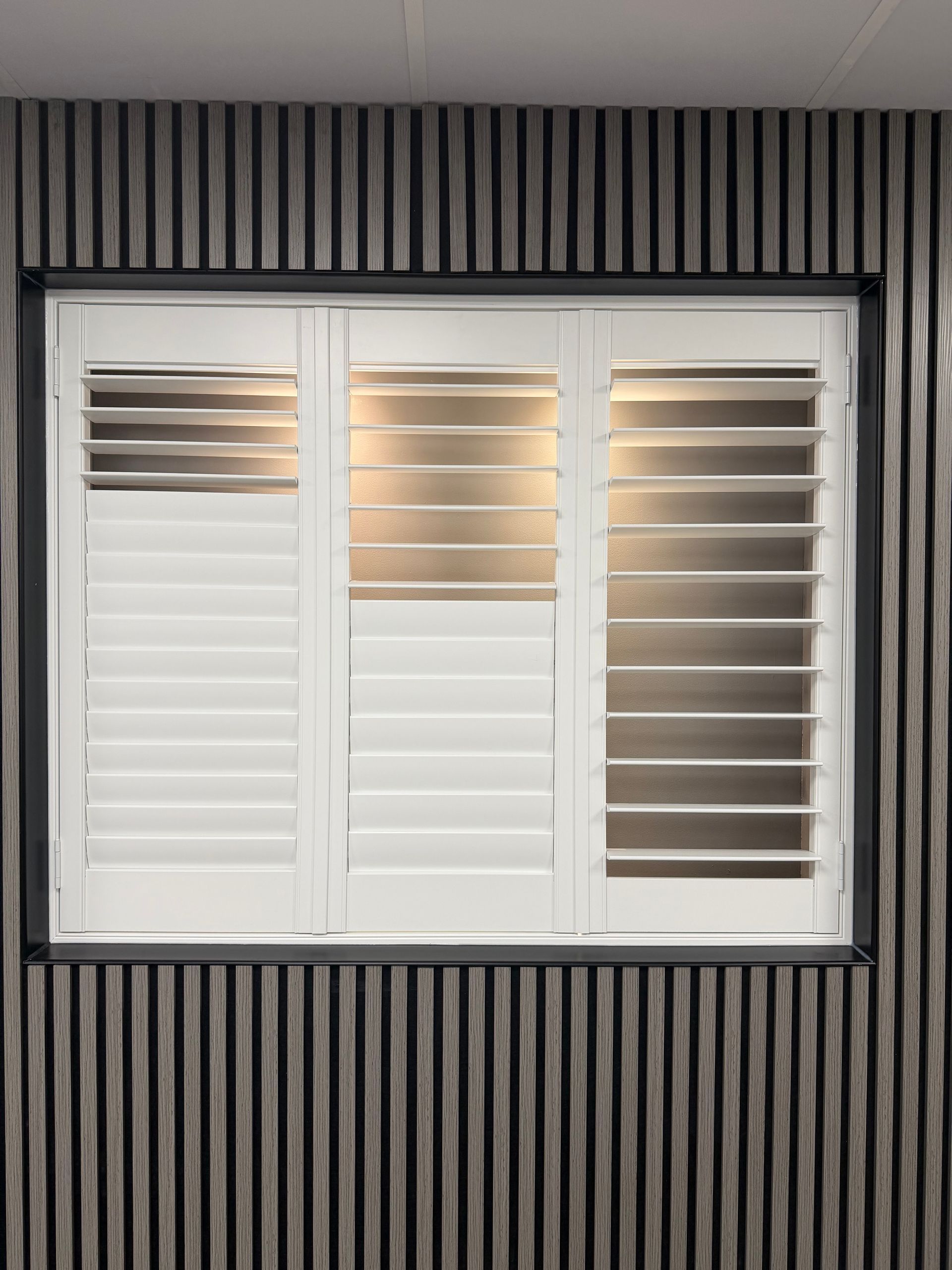
  • Tier-on-tier shutters offer two sets of panels, one above the other, that open independently. This style is flexible and works well for townhouses or properties that face the street
  • Café-style shutters only cover the bottom half of a window, giving privacy without blocking too much light. They’re brilliant for kitchens and dining rooms


Another big selling point is customisation. Shutters can be tailored to awkward windows too – bay windows, arched frames, or unusually shaped spots that standard fixtures just don’t suit. You can also choose from different finishes like painted wood tones, natural wood grains, or moisture-resistant materials for bathrooms or kitchens.


There’s also freedom when it comes to colour. While neutral whites and greys are popular for a modern touch, some homeowners in Leicester go for rich navy or deep green tones to match other design features in the room. Because they’re made to fit perfectly, the final look always feels well-thought-out and neat.


And perhaps what’s most helpful is that shutters work with just about any decorating style – Scandi-inspired, mid-century modern, or even something more traditional with a twist. You aren’t stuck with just one way to style them.


Enhanced Functionality and Energy Efficiency


Modern shutters look stylish, but they also bring some helpful perks when it comes to function, especially as autumn moves into winter. In a city like Leicester, where temperatures can get quite chilly, having control over how much heat escapes through your windows makes a difference.


Shutters help keep rooms warmer by adding an extra layer between the window and the rest of your space. When closed, they cut down on drafts and reduce how much heat gets lost through single or older double glazing. This can make a room feel more comfortable without needing to rely too heavily on heaters.


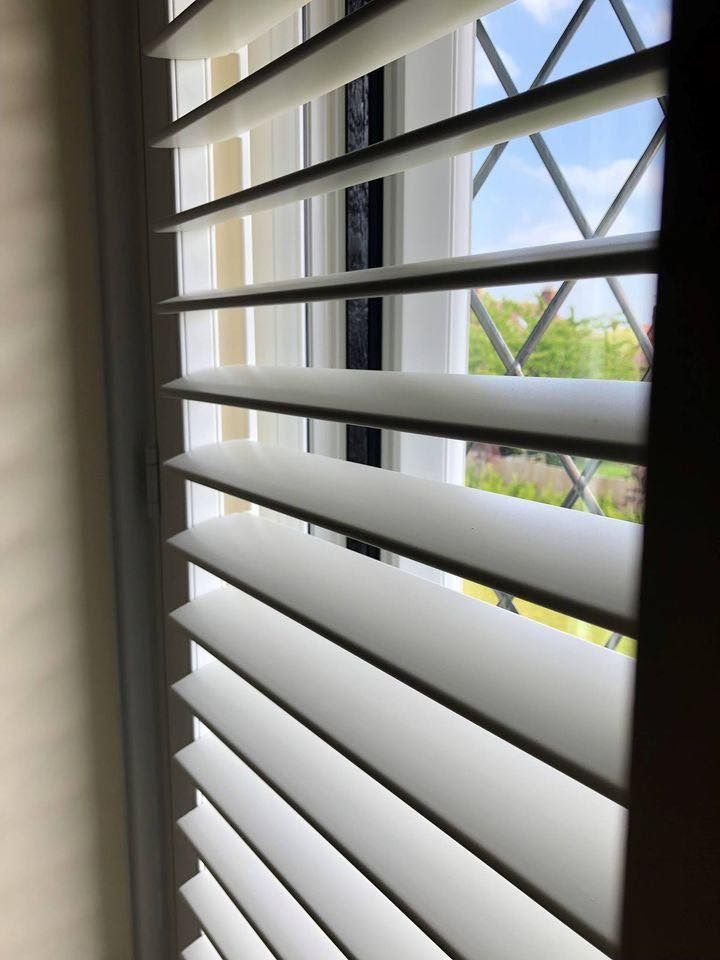
They’re also great for light control. You can tilt the louvres to let in natural light during the day, or you can shut them for complete privacy in the evenings. For street-facing rooms, they give enough coverage to keep your home private while still feeling bright and airy.


Here are a few helpful tips when choosing shutters for better comfort and function in Leicester homes:


  • Pick solid wood or thermally insulated styles for extra warmth during colder seasons
  • Go with wider louvres if you want more light when they’re open and tighter privacy when shut
  • For rooms with high humidity like bathrooms, moisture-resistant materials perform better over time
  • If your windows face busy roads or streetlights, thicker panels can help reduce outside noise and glare


That mix of good looks and functional benefits is why a lot of people are shifting away from traditional curtains or blinds. Shutters offer more control and durability with less fuss, which suits busy households and modern lifestyles alike.


Easy Maintenance and Durability


One of the best things about fitting shutters in your home is how little effort they take to keep looking good. While curtains need frequent washing or dry-cleaning and blinds can gather dust in hard-to-reach places, shutters are simple to maintain with just a quick wipe.


The materials used for modern shutters are designed to last. Some are made from hardwoods, others from tough composite materials that can handle moisture and everyday wear and tear. This is ideal for busy homes in Leicester where you're dealing with everything from wet pets to central heating air. You don't need to worry about warping or fading when you pick the right finish for your space.


Cleaning mealtimes mess in a dining room corner or a splash zone near a kitchen sink? No problem. A gentle dusting and the occasional run-over with a damp cloth usually do the job. You don’t need special sprays or tools.


For long-term upkeep, here’s what usually keeps shutters in shape:


  • Use a soft microfibre cloth for regular dusting
  • Wipe slats gently with warm water and mild soap if needed
  • Check hinges and fittings once in a while for tightness
  • Keep shutters open during painting or decorating to avoid paint splatter or hinge issues


Unlike fabric treatments, shutters don’t easily trap odours or allergens, which is a big plus if anyone in the home deals with allergies. This makes them a good fit for bedrooms, nurseries, and living areas alike.


Because they’re less prone to wear and don’t need frequent replacements, many people see shutters as a reliable long-term option that stays looking neat even with everyday use. And with life getting busier, having something you don’t need to fuss over often feels like one less thing to worry about.


Increasing Home Value Through Thoughtful Design


While it might not be the first thing people think of, well-chosen shutters can give your home a more polished feel, the kind that stands out to visitors and potential buyers. In Leicester, where property mix ranges from suburban semi-detached to characterful terraces, shutters offer a way to boost a home’s charm without major renovation.


Shutters create a smart, uniform look from both inside and outside. Window dressings are one of the first things people notice when they walk into a room, sometimes without even realising. With shutters, the frames and clean lines often give off a finish that feels higher quality than basic blinds or curtains.


They also offer flexibility with design. You’re not tied to just one setup. For example, plantation shutters in a child’s room can later be adjusted as the space turns into a guest room or office. Rather than replacing them down the line, you just re-style the room around them.


Even smaller Leicester homes can benefit from how shutters manage space:


  • They sit flat within the window frame, freeing up more floor and wall space
  • No swinging curtains makes cleaning or opening nearby doors easier
  • Neutral shutter colour choices can visually open up a room


And if you're the kind of person who updates your home little by little, shutters can complement your changes rather than compete with them. Whether you're swapping out tiles, updating your flooring, or even just changing wall shades, they’re the sort of addition that fits almost any style shift.


In terms of investment, shutters have long been seen as a stable, practical upgrade. They're built to last and don’t fade into the background. Instead, they help tie a room together in a way that adds real character.


Bringing Modern Elegance to Your Leicester Home


Finding the right style for your windows can feel tricky, but modern shutters make that choice easier. They combine practical benefits like better warmth and light control with a clear style upgrade that suits many different home types. From traditional townhouses to newer developments across Leicester, shutters offer something that works for all.


By choosing designs that match your living space, you can set the tone for your entire room without overpowering it. Whether you're drawn to bold colours, soft neutrals, or a raw wood look, there’s room to create something that really feels like your own. And as day-to-day life carries on, being able to close a set of shutters and instantly create that peaceful, private space becomes something you’ll truly appreciate.


Holding onto comfort, style, and simplicity doesn’t have to be difficult. With thoughtful choices, shutters bring a little more calm and a lot more function to your home all year round.


Thinking about refreshing your space with something that looks great and works even better? If you're after a stylish and long-lasting option for your windows, explore how a trusted shutters manufacturer in Leicester can help transform your home. At British Made Shutters, we provide tailored designs that bring both comfort and lasting value to every room.

By Mya Lyes June 25, 2026
This blog explores how composite shutters perform on heat and sound insulation, and what that means for the conversations you’re having with your customers.
By Mya Lyes June 15, 2026
This blog sets out the key benefits of composite shutters and why they hold up over time. Most people who choose shutters for their home start with how they look. The louvres, colour and style all matter, and are what most of the initial conversation focuses on. But it’s the secondary consideration, about what the shutter is made of, that will determine whether the installation will stand up five years down the line, or whether it will start causing problems you didn’t anticipate. For trade professionals who put their name behind every installation, the choice of materials is the detail that shapes everything else. It affects which rooms you can offer shutters for, how the product will perform over time, how often your customers might come back with issues, and what the job is worth to your business in the long run. Composite shutters are the go-to choice for installers and trade partners who want to offer their customers a robust, reliable and long-lasting product that delivers exceptional performance. This blog sets out what composite shutters offer and why those benefits hold up over time. What are composite shutters made from? Before covering the benefits, it’s worth understanding what makes composite different from wooden or uPVC shutters. They’re made from a premium extruded composite; a dense, manufactured substrate that’s consistent in structure throughout. Unlike natural timber, which varies in grain, density and moisture content from one piece to the next, composite is produced to a controlled specification every time. There’s no natural variation to manage, no unpredictable behaviour and no weak spots buried in the material. High-quality composite shutters are also reinforced with an aluminium core, which provides their structural backbone. It prevents the louvres and frames from twisting, bowing or racking under pressure, and keeps everything operating smoothly long after installation. That combination delivers most of the benefits of composite shutters we’ve covered below: They won’t warp, swell or lose their shape Natural wood moves. It absorbs moisture, expands and contracts when the temperature changes, and behaves differently depending on the grain and how the timber was dried. In a controlled environment, that movement can be managed. But in bathrooms, kitchens, south-facing living rooms, conservatories and rooms with underfloor heating, it’s a slow but consistent problem. Over time, wood’s natural movement causes louvres to go out of alignment. Frames start to rack. Panels that once sat flush stop closing properly. The finish cracks as the material beneath it shifts. None of it happens overnight, but it compounds, and eventually the shutter stops performing as it should. Composite shutters don’t behave that way. Because they’re manufactured from uniform material, they respond to temperature change and pressure in a more consistent, predictable way. The aluminium core adds further stability, keeping the structure true regardless of what the room puts it through. A composite shutter fitted in a bright, south-facing bay window, or in a bathroom that fills with steam every morning, will still be straight, correctly aligned and operating smoothly years later. Fully waterproof, anywhere in the home Moisture is the hardest test for any window dressing, and the gap between composite and timber is clear. Composite shutters are fully waterproof. They don’t absorb moisture, swell, bubble or degrade when exposed to steam, condensation or humidity. The finish doesn’t peel. The structure doesn’t soften. With timber, moisture is a slow-moving problem. It works its way into the wood over time, causing swelling that distorts the louvres and frames, and paint that starts to lift and flake as the material beneath it shifts. In rooms with poor ventilation or frequent temperature changes, these issues can appear within a couple of years, regardless of how carefully the shutter was installed. Composite sidesteps these problems. Because the material doesn’t absorb water, none of that deterioration occurs. The shutter installed on day one will look and operate the same way five years later. Composite also opens up the whole house. Being able to specify the same product across every room in a property without switching to a different solution for bathrooms and wet rooms makes the conversations you have with your customers easier. A surface that holds up over time A composite shutter’s surface finish is engineered, rather than applied to a natural substrate. With timber, the finish is only as stable as the material underneath it. As the wood moves, through moisture absorption, temperature fluctuations or the repeated stress of daily use, the surface eventually follows. Paint lifts, cracks and flakes. The finish that looked sharp on the day of installation starts to look tired, and when it does, the customer’s options are repainting or replacement. Composite shutters resist the scratches, knocks and everyday wear that accumulate in busy homes. The material doesn’t dent in the way that timber does. And because composite’s finish is engineered to resist fading, it holds its colour for the lifetime of the shutter. I nsulation Composite shutters have excellent thermal insulation properties. They reduce heat loss through windows, helping maintain a more consistent room temperature. For customers who are thinking about their energy bills, that’s a benefit that can compound over years of use. It’s a helpful point to raise with your customers who might not have thought to ask about it. Composite shutters also absorb and block sound more effectively than most wooden shutters, blinds and curtains do. In urban properties, or any room that overlooks a busy road, the difference is noticeable. Customers don’t always anticipate this benefit when they’re looking to buy, but they tend to appreciate it once their shutters are in. Low maintenance for the long term Maintenance is one of those things customers don’t think much about when they’re buying. But it can shape their view of the product, and the person who fitted it, over the years that follow. Composite shutters don’t need sanding, treating or repainting. An occasional wipe-down is all they require. The aluminium core and moisture-resistant materials mean there’s no warping, peeling or flaking to deal with, and nothing about the shutter changes over time that demands the customer’s attention. Timber is a different story. Wooden shutters look their best when they’re properly maintained, but maintaining them takes time and can be expensive. Repainting, treating and repairing surface damage can all add up over the lifespan of the product, especially in rooms where the shutter is exposed to moisture, humidity or strong direct sunlight. A 10-year warranty Every composite shutter from British Made Shutters comes with a 10-year warranty. It means you can give your customers confidence in what they’re buying when you put your name behind the product. Every shutter is bespoke and made to measure, so the fit is right from the start. Everything is manufactured in the UK, in Evesham, which means short lead times, quality control and a team that’s accountable from order to delivery. How can British Made Shutters help? When you specify or fit a shutter, you’re putting your name behind the product. A shutter that warps, fades or starts generating problems two years after installation is a problem that can come back to you. Composite removes most of those risks. The material is predictable, the performance is consistent, and the 10-year warranty means both you and your customers have something solid to rely on. At British Made Shutters, we work with trade partners across the UK, supplying high-quality, bespoke composite shutters in a wide range of designs, colours and hinge styles. To find out more about opening a trade account , or to request samples, get in touch today .
By Mya Lyes June 4, 2026
Wooden shutters have a long-standing appeal, but how do they hold up against composite? This blog sets out to answer that, to help you spec the right product with confidence.
By Mya Lyes June 4, 2026
This blog breaks down the differences between uPVC, wood and composite shutters, and explains why the choice can have a big impact on your business. If you’re new to specifying shutters, the market can feel straightforward enough. After all, shutters are shutters, right? Not quite. There are three main materials to choose from, uPVC, wood and composite, and they perform very differently from each other. The shutter you fit in a client’s home today will shape how that product performs in five years, whether you’ll get a callback, and ultimately, what your reputation is built on. This blog breaks down the differences between uPVC, wooden and composite shutters , so you know what you’re recommending and why. What are uPVC shutters? uPVC shutters are made from rigid plastic. They’re hollow-profiled, lightweight and relatively cheap to produce. For that reason, they sit at the entry-level end of the shutter market and are widely available from a range of suppliers. The appeal is obvious. The price point is accessible, so for customers who want shutters without a significant outlay, uPVC can seem like a reasonable starting point. But they have limitations. The hollow profile means the louvres and frames can feel insubstantial, particularly on larger window spans, where the structure can bow if it’s not reinforced. The surface is prone to discolouration over time, especially in rooms that receive direct sunlight, where uPVC can take on a yellowed, dated appearance that’s difficult to reverse. And while the upfront cost is lower, the finish rarely looks premium up close. While uPVC shutters have a market, they also have a ceiling, and it’s worth knowing where that ceiling is before you recommend them. What are wooden shutters? Timber shutters have been the go-to option for a long time, and their appeal is easy to understand. Wood has an aesthetic quality that no synthetic material can fully replicate. For customers who want something that feels natural and traditional, timber shutters remain a compelling option. But wood comes with limitations that get harder to ignore the more installations you do. Moisture is the main problem. Wood absorbs it. In bathrooms, kitchens, utility rooms or any space with variable humidity, that can lead to warping, swelling and, eventually, cracking. Even in rooms without obvious humidity, temperature fluctuations cause timber to expand and contract. Over time, that movement creates gaps, causes sticking and puts pressure on painted finishes that aren’t designed to flex indefinitely. Peeling and flaking paint are common, particularly on louvres, where the movement is most pronounced. Wooden shutters can look exceptional when they’re new. But keeping them looking that way takes maintenance. In some rooms, it’s an uphill struggle from the start. The risk of premature failure is too high, and the cost to your client and your reputation isn’t worth it. What are composite shutters? Composite shutters are engineered products, made from premium extruded composite materials built to be strong, stable and consistent. Unlike natural timber, which varies in density, grain and moisture content from board to board, composite material is manufactured to a precise specification every time. There’s no variation, no weak points hidden inside the louvre, and no vulnerability to the moisture that causes wood to fail. High-quality composite shutters have an aluminium-reinforced core that provides structural rigidity, preventing the louvres and frames from twisting, bowing or deforming under pressure. It’s what ensures a shutter that comes out of the factory will operate just as cleanly after years of daily use. Composite shutters are fully waterproof, which makes them the right choice for any room in the house, including bathrooms and wet rooms where wood struggles and where uPVC can look out of place. They won’t warp, peel or flake, and they hold their colour. The finish is engineered to resist fading, so the colour your client chooses at the point of specification is what they’ll have for years to come. There’s also the insulation benefit. The consistent density of composite material delivers reliable thermal and acoustic performance, reducing heat loss through windows and absorbing sound more effectively than thinner timber shutters or blinds. For your energy-conscious customers, or those whose homes overlook a busy road, that’s a practical advantage. Finally, composite shutters are low maintenance by design. They don’t need sanding, repainting or refinishing. Cleaning is straightforward and the product pretty much looks after itself. How do the three materials compare? Side by side, the differences are clear. On durability, composite shutters have the edge. The aluminium-reinforced core and consistent material density give them a structural integrity that uPVC’s hollow profile and timber’s natural variability can’t match. They hold their shape under pressure and over time. On moisture resistance, composite is also the clear winner. Wood absorbs water and degrades accordingly. uPVC is water-resistant but can discolour and doesn’t always cope well in high-humidity environments. Composite is fully waterproof, with no risk of degradation, regardless of where it’s installed. On maintenance, there’s no comparison. Wood requires ongoing treating, repainting and refinishing to keep it looking its best. uPVC is relatively low-maintenance, but it can’t be restored once it discolours. On aesthetics, composite also holds up well. Composite shutters are available in a wide variety of colours and designs, with a finish that doesn’t fade or shift over time. And on long-term value, composite shutters carry a higher upfront cost than uPVC and, in some cases, timber. But the total cost of ownership over the life of the product is often lower than timber, because aside from an occasional clean, there are no ongoing maintenance costs. How can British Made Shutters help? A shutter that fails, warps, discolours or starts to look tired within a few years of installation is a problem that lands on you, not on the manufacturer. Callbacks, remedial work and unhappy clients cost time, money and the kind of trust that’s hard to rebuild. Composite shutters remove most of that risk. The material is consistent, the performance is predictable, and the product does what it’s supposed to do in any room it’s installed in. That consistency is what protects your reputation. That’s where British Made Shutters comes in. From our workshop in Evesham, we manufacture and supply bespoke, made-to-measure composite shutters to trade partners across the UK , to a standard you can stand behind. Every shutter is aluminium-reinforced, fully waterproof and available in a range of designs, colours and hinge styles. All our products are backed by a 10-year warranty, and we work to short lead times so your projects keep moving. If you’d like to find out more, ask us about opening a trade account or request samples, get in touch today.
By Mya Lyes June 4, 2026
This blog looks at how composite shutters perform against moisture, heat and everyday use, and what that means for trade professionals specifying them.
By Mya Lyes May 18, 2026
This blog looks at whether composite shutters can be a better alternative to wood, covering their durability, performance and long-term value. People have always chosen window shutters for the way they look. They’re an elegant, more durable alternative to curtains or blinds, and they add a premium finish that suits most types of décor. However, increasingly, homeowners and the trade professionals who supply and fit shutters want a product that looks stylish on day one and still performs years later, without demanding constant maintenance and attention. It raises the question of how composite shutters compare to traditional wooden ones. This blog sets out to answer that, covering their durability, performance and long-term value, to help you make the right call for your customers and your business. What are composite shutters? Composite shutters are window dressings made from premium extruded composite materials that are designed from the outset to be strong, stable and consistent. Unlike natural timber, which varies in density, grain and moisture content from board to board, composite material is manufactured to a precise specification every time. High-quality composite shutters are reinforced with an aluminium core, which gives the shutters their rigidity. It prevents the louvres and frames from twisting, bowing or deforming under pressure, something that natural wood can’t guarantee over time. The result is a product that holds its shape, regardless of where it’s installed or what conditions it’s exposed to. That predictability is what makes composite shutters such a reliable choice for trade professionals and homeowners alike. How do wooden shutters perform in real homes? There’s no question that wooden shutters have genuine appeal. The natural grain, the warmth and the sense of craftsmanship are why timber has been the go-to material for shutters for a very long time. But wood comes with limitations. Moisture is the main issue. Wood absorbs it. In bathrooms, kitchens or rooms with poor ventilation, wooden shutters can warp, swell and, eventually, crack. Even in drier environments, temperature fluctuations cause the wood to expand and contract, which can lead to gaps, sticking and a finish that starts to look tired long before the shutter itself has reached the end of its life. Peeling and flaking paint are also common, particularly where the wood has moved, and the surface finish can no longer flex with it. Don’t get us wrong, wooden shutters can look exceptional when they’re new. However, keeping them that way takes effort, and in some rooms, it’s a losing battle. Why composite shutters outperform wood Shutters made from premium extruded composite material have a consistent density throughout, which means they respond to pressure, heat and humidity in a predictable, stable way. There are no weak points, no natural variations in grain, and no vulnerability to moisture buried inside the louvre. The aluminium-reinforced core gives the shutter a structural integrity that timber can’t match. The louvres stay straight, the frames don’t rack, and the shutter that comes out of the factory will still operate as smoothly five or ten years later. In practical terms, that means fewer complaints and callbacks from your customers, and fewer headaches. Water resistance Composite shutters are fully water-resistant. That makes them the right choice for bathrooms, wet rooms, kitchens and utility spaces, where wooden shutters often struggle, regardless of how well they’re fitted or finished. Wood absorbs moisture. Over time, that moisture causes swelling, paint flaking and, in the worst cases, mould. Composite shutters don’t have that problem. The material doesn’t absorb water, so it doesn’t swell, the finish doesn’t bubble or peel, and the structure doesn’t degrade. A composite shutter can go in any room in the house. There’s no need to spec a different product for wet or humid spaces, and no need to have a difficult conversation with a customer about where wooden shutters will and won’t work. Scratch resistance and surface durability Composite shutters are tough. The extruded composite surface resists scratches, knocks and the kind of everyday wear that accumulates over years of use. Wood, by comparison, dents more easily. It’s more vulnerable to surface damage, and when that damage occurs, refinishing is often the only option. Composite shutters are well-suited to family homes with young children, or rental properties with a high turnover of occupants, because the surface holds up. It means that if you install shutters into busy homes or commercial settings, you can specify composite shutters with confidence, knowing the product will still look the part years after the job is done. Heat, sound and energy efficiency A well-fitted composite shutter reduces heat loss through windows, helping to maintain a more consistent room temperature and taking some of the load off your customers’ heating systems. For homeowners mindful of their energy costs, that’s a meaningful long-term benefit. The same density that provides thermal performance also helps with sound. Composite shutters absorb and block noise more effectively than thinner wooden shutters, blinds or curtains, which can make a massive difference in rooms that overlook busy roads or in noisy surroundings. And while wood offers some insulation benefit, it’s less consistent. Warping creates gaps, and the natural variation in wood grain means the material doesn’t always perform uniformly across the full surface of a shutter. Composite shutters deliver reliable insulation because the material is uniform and the fit stays tight over time. Colour and design flexibility Composite shutters are available in a wide range of colours, and the finish is engineered to resist fading. Unlike wood, which can shift in tone as it ages and typically needs repainting at some point in its lifetime, composite holds its colour. For your customers who want a specific look that complements their interior, composite offers flexibility. The finish is uniform across the shutter, with none of the inconsistencies in tone or texture that can appear in painted timber. And because the surface doesn’t fade, the colour your customer chooses at the point of specification is what they’ll have for years to come. Long-term maintenance and lifespan Composite shutters are low-maintenance by design. They don’t need sanding, repainting or refinishing. Cleaning is straightforward. The aluminium core and moisture-resistant construction mean there’s nothing to warp, peel or flake. Wood is a different matter. It looks it’s best when it’s properly maintained, but maintaining it takes time and money. The costs of repainting, treating and repairing surface damage can all add up over the life of the shutter. The upfront investment in composite shutters is offset by a longer lifespan and years of minimal maintenance. For installers and trade partners who want a reliable, consistent product they can stand behind, the business case for composite is a strong one. How can British Made Shutters help? So, are composite shutters more durable than wood? In our humble opinion, the answer is yes, and it’s not a close call. Composite shutters outperform wood on water resistance, structural stability, scratch resistance, insulation and long-term maintenance. They can go in any room in the house without restriction, hold their shape and finish for years, and deliver a premium finish that doesn’t require too much ongoing effort to maintain. They offer the look of a high-quality shutter without the compromises that come with natural timber. For homes and projects where performance has to match appearance, that combination is hard to argue with. Composite shutters are a dependable, future-proof product that will still perform exactly as expected years after installation. In a market where your reputation is built job by job, that reliability is worth a great deal. And that’s where British Made Shutters can help. We work with trade partners across the UK, manufacturing and supplying high-quality, bespoke, made to measure shutters crafted from composite materials that won’t warp, peel or flake. All our products are backed by a 10-year warranty. With short lead times and a range of designs, colours and hinge styles, you’ll always find something that works for your customers. To find out more, request samples and ask us about opening a trade account, get in touch today .
Window
January 11, 2026
Cold days or bright glare? Full height shutters in Leicester help manage light, heat, and privacy with a clean look that lasts through every season.
Shutters
January 11, 2026
Make patio doors warmer and easier to use with tracked shutters are great for insulation, daily access, and keeping rooms tidy year-round.
Shutters
January 4, 2026
From tricky windows to winter draughts, made to measure shutters bring a neater fit, smoother function, and more comfort to homes in Leicester and beyond.
Shutters
January 4, 2026
Keep your home cosy and bright with tier on tier shutters in Hertfordshire, ideal for privacy, style, and easy seasonal comfort. Learn more today!