Nobody buys shutters for the insulation. They buy them because they like how they look.
Yet somewhere near the end of the conversation, the question of whether they’ll keep the room warmer or quieter might crop up.
Insulation is one of those benefits of composite shutters that doesn’t show up on day one. Your customer can see the colour and the style of the louvres before they order. But they won’t feel the difference in their heating bill or the noise from the road until they’ve lived with their new shutters for a few weeks. That’s why it’s worth raising before they ask, not just answering when they do.
This blog covers how composite shutters perform in terms of heat and sound insulation and what that means for the conversations you’re having with your customers.
How composite shutters insulate
Composite shutters’ insulation properties come down to their material and fit.
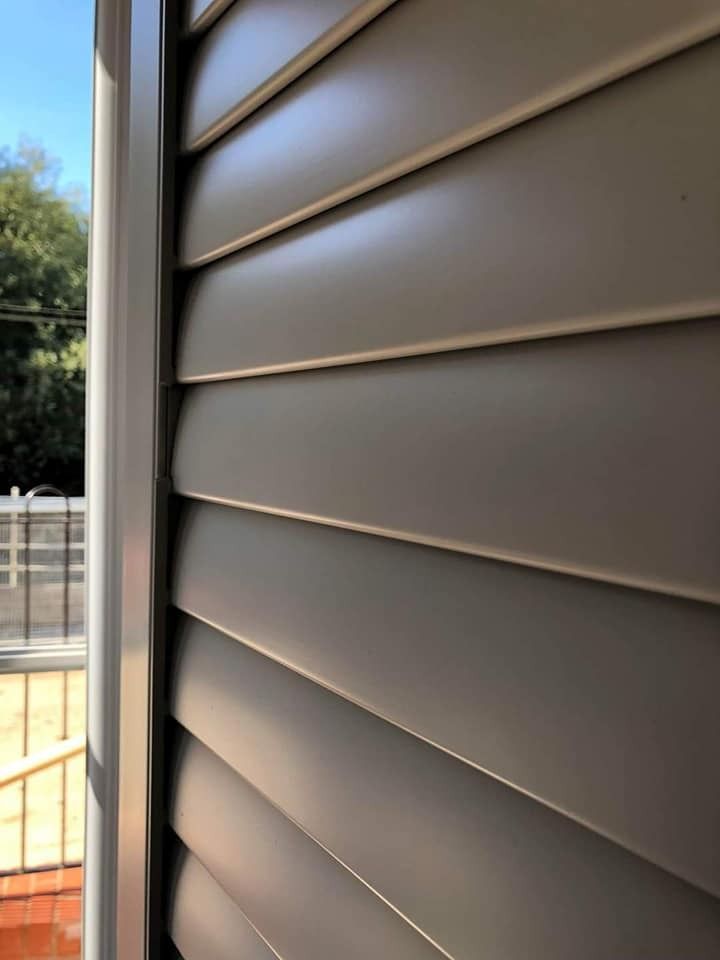
They’re dense by design. That density, combined with the aluminium-reinforced core running through the frame, gives the shutter more mass than a wooden shutter with the same dimensions, and far more than a blind or curtain offers.
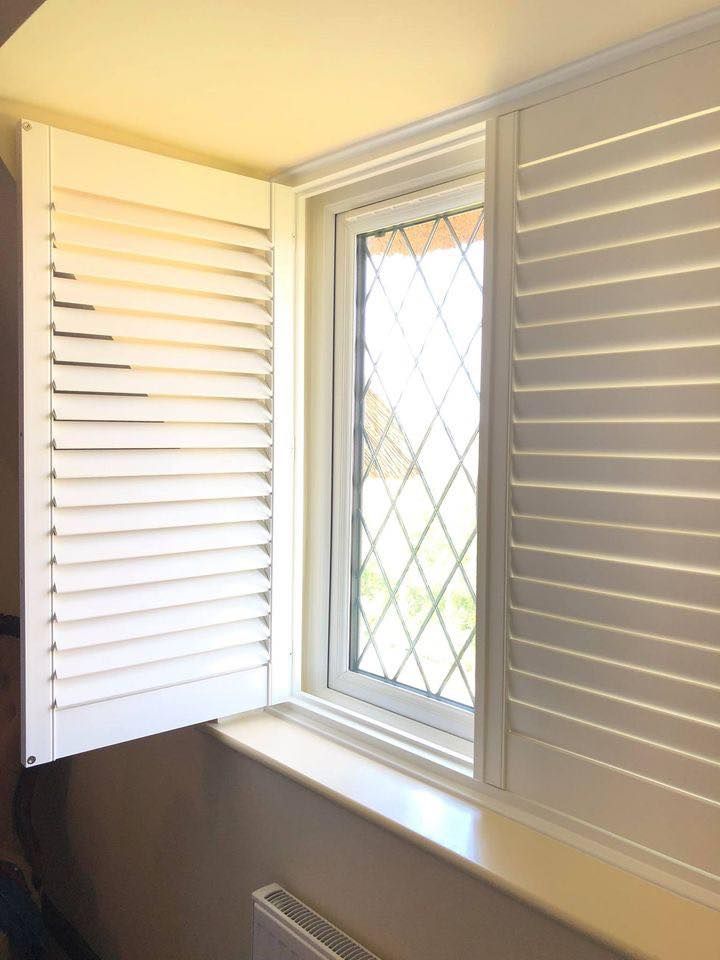
Curtains and blinds only cover the glass. A well-fitted shutter covers the glass and seals against the surrounding frame, which is where a lot of heat and sound escape.
That second part, the fit, matters as much as the material. A shutter that’s slightly too small for its opening leaves gaps around the edges, which is where the insulation value disappears, regardless of how good the material is.
Because every shutter we supply is bespoke and made to measure, it’s built to the exact dimensions of the opening it’s going into. There’s no compromise on fit to get a product that’s ‘close enough’.
That combination of dense material and precise fit is what gives our composite shutters the edge over the alternatives when it comes to insulation.
Thermal performance and energy bills
A well-fitted composite shutter reduces heat loss through the window. Anyone who’s retrofitting an older property, is mindful of their heating costs, or who needs to think about their EPC rating will care about this once you mention it, even if it wasn’t on their mind when they first got in touch. The practical benefit is a more consistent room temperature and less load on the heating system.
It won’t replace double glazing or loft insulation, and it’s worth being upfront about that rather than overselling it. But, as one part of a room’s overall thermal performance, especially in homes where bigger upgrades aren’t on the table, well-fitted composite shutters can make a measurable difference.
For customers weighing up shutters against blinds or curtains, composite really earns its place. Thinner materials don’t have the mass to hold in heat and keep the cold out in the same way.
Acoustic insulation
Sound works on the same principle as heat. The denser the material, the more effectively it absorbs and blocks noise from passing through.
Composite shutters perform well here, particularly in rooms that overlook a busy road, a school, or anywhere else with consistent background noise. Bedrooms and home offices are the rooms where this tends to have the biggest impact, since they’re the spaces most people want to keep quiet.
It’s a benefit many of your customers won’t think to ask about when they’re buying. Most are focused on light control and privacy, and noise reduction is something they notice only once the shutters are fitted. That makes it worth mentioning early in the conversation rather than waiting for them to bring it up, especially for any customer who’s mentioned noise, even in passing, while discussing what they want.
How composite compares to wood and uPVC for insulation
On insulation, the gap between composite shutters and the alternatives is clear.
Wood can offer some insulation value when it’s new and properly fitted. But that performance doesn’t hold. As wood absorbs moisture and moves with temperature changes, gaps open up around the frame and louvres. Insulation that worked on day one can become inconsistent within a couple of years, and there’s no way to repair it short of repainting or replacing the shutter outright.
uPVC has a different problem. Its hollow profile means there’s less material between the room and the window, so it has less mass to work with on either heat or sound. It does the job to a basic standard, but it isn’t built to match composite’s density.
Composite doesn’t lose performance over time the way wood does, and it doesn’t start from a lower baseline like uPVC does. The density and the core stay exactly as they were on day one of installation, which means the insulation value stays consistent for the life of the product, not just the first year or two.
Where this benefit matters most for your customers
Some jobs make composite’s insulation properties an easier selling point, and it’s worth knowing which ones. Conservatories and north-facing rooms that struggle to hold heat are obvious candidates for composite shutters. So, too, are older properties with single glazing or draughty original windows, where the shutter needs to do more work than it would in a newer, better-insulated home.
Anyone overlooking a busy road or a noisy junction will also get real value from the acoustic benefits that composite shutters provide, as will customers turning a spare room into a home office. They’re also perfect for rental properties, since landlords increasingly care about running costs and EPC ratings. A product that helps on both fronts is an easy addition to a refurbishment job.
None of this needs to be a hard sell. It’s a case of asking the right questions early, such as whether the room overlooks a busy road, whether the house has had any insulation work done, or whether the customer’s mentioned their heating bills. The answers usually open the door to mentioning a benefit your customer hadn’t thought to ask you about.
How can British Made Shutters help?
At British Made Shutters, we manufacture and supply high-quality composite shutters to trade partners across the UK, with short lead times and a full range of designs, colours and hinge styles.
Every shutter we supply is fully waterproof, reinforced with an aluminium core, and backed by a 10-year warranty. Because every order is bespoke and made to measure at our workshop in Evesham, the fit that makes the insulation work in the first place is built in from the start. So, the thermal and acoustic performance your customers when they order will be the same in ten years’ time.
To find out more about opening a trade account or to request samples, get in touch today.
Share this blog