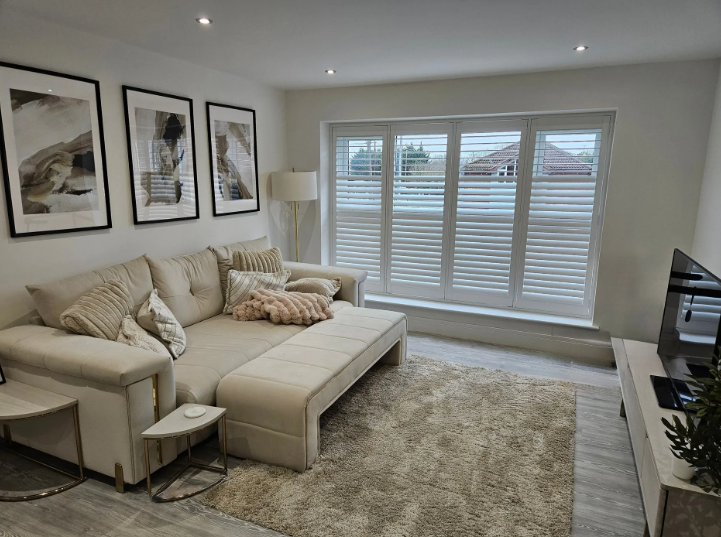
This blog looks at whether composite shutters can be a better alternative to wood, covering their durability, performance and long-term value.
People have always chosen window shutters for the way they look. They’re an elegant, more durable alternative to curtains or blinds, and they add a premium finish that suits most types of décor.
However, increasingly, homeowners and the trade professionals who supply and fit shutters want a product that looks stylish on day one and still performs years later, without demanding constant maintenance and attention.
It raises the question of how composite shutters compare to traditional wooden ones. This blog sets out to answer that, covering their durability, performance and long-term value, to help you make the right call for your customers and your business.
What are composite shutters?
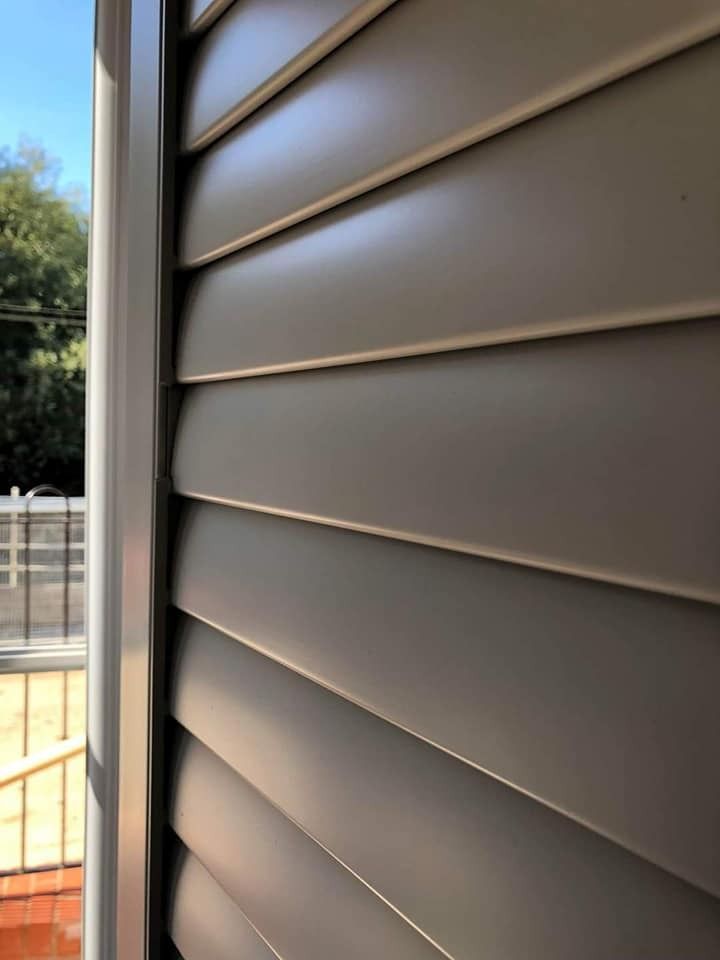
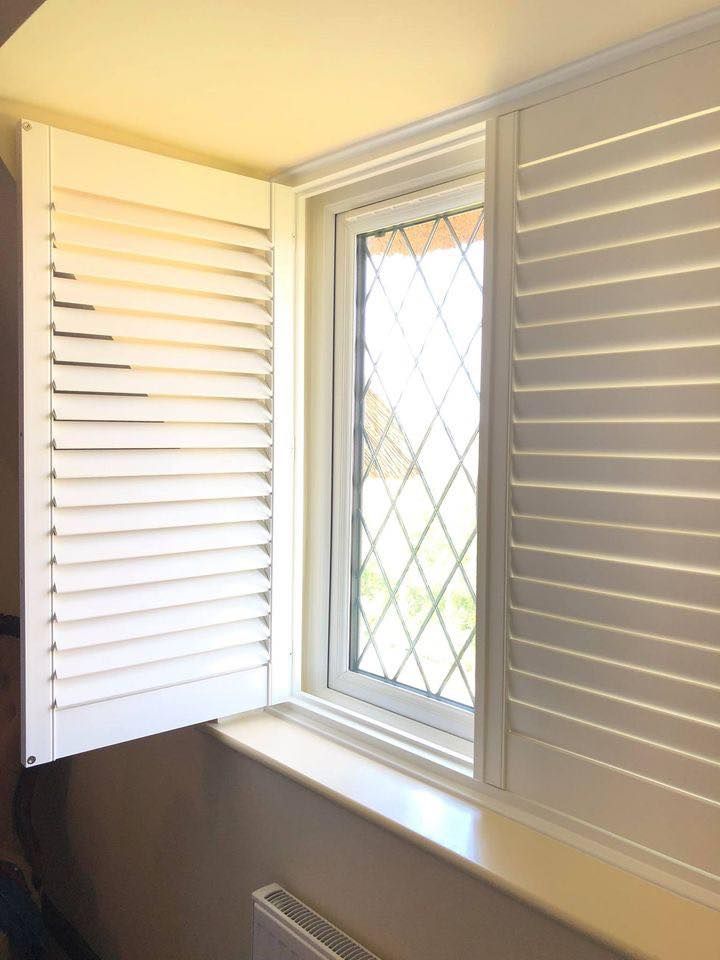
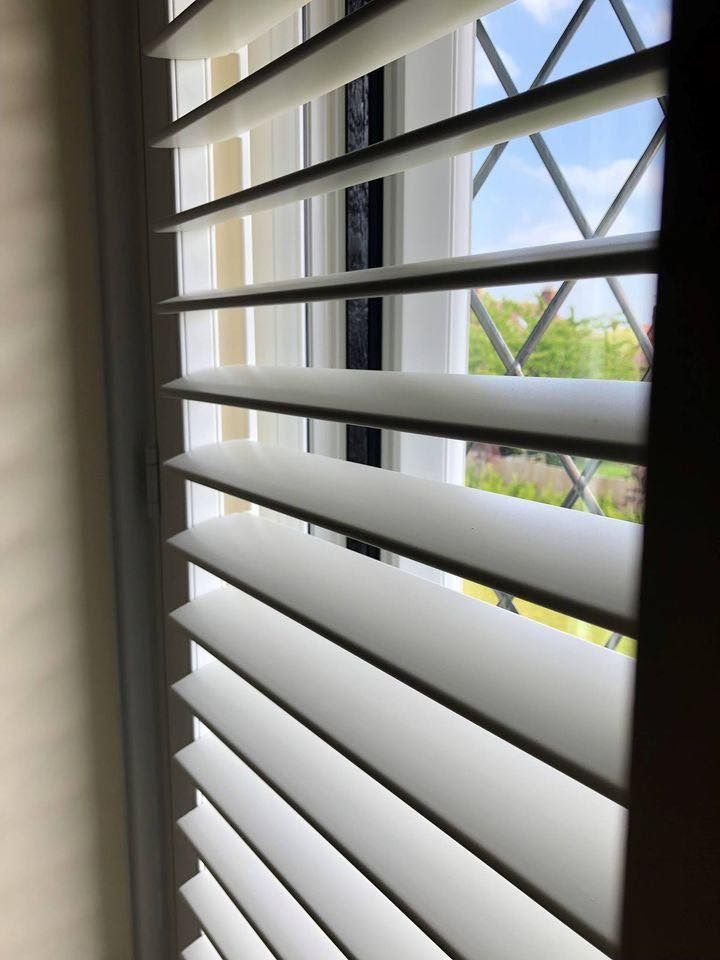
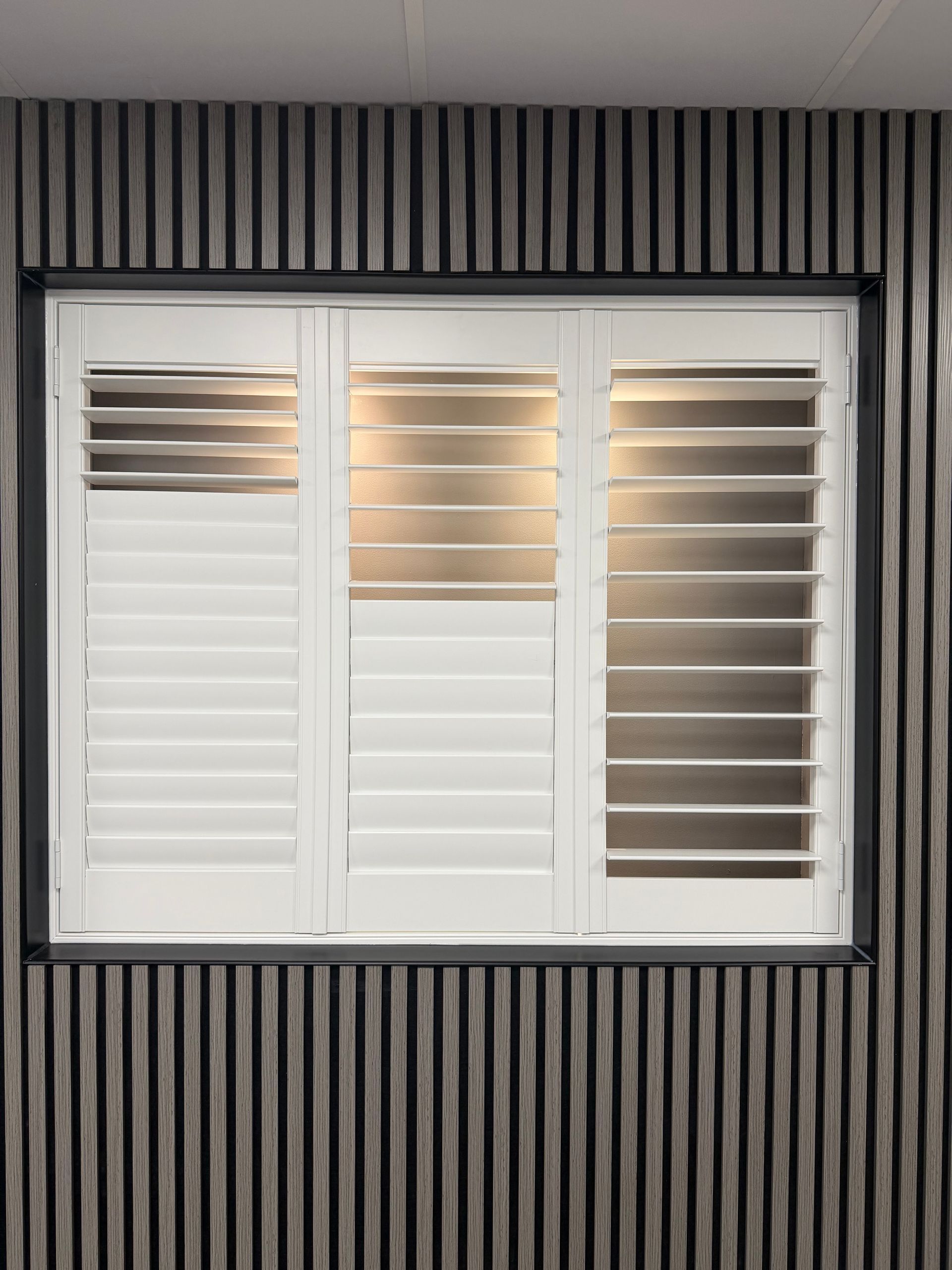
Composite shutters are window dressings made from premium extruded composite materials that are designed from the outset to be strong, stable and consistent.
Unlike natural timber, which varies in density, grain and moisture content from board to board, composite material is manufactured to a precise specification every time.
High-quality composite shutters are reinforced with an aluminium core, which gives the shutters their rigidity. It prevents the louvres and frames from twisting, bowing or deforming under pressure, something that natural wood can’t guarantee over time.
The result is a product that holds its shape, regardless of where it’s installed or what conditions it’s exposed to. That predictability is what makes composite shutters such a reliable choice for trade professionals and homeowners alike.
How do wooden shutters perform in real homes?
There’s no question that wooden shutters have genuine appeal.
The natural grain, the warmth and the sense of craftsmanship are why timber has been the go-to material for shutters for a very long time.
But wood comes with limitations. Moisture is the main issue. Wood absorbs it. In bathrooms, kitchens or rooms with poor ventilation, wooden shutters can warp, swell and, eventually, crack. Even in drier environments, temperature fluctuations cause the wood to expand and contract, which can lead to gaps, sticking and a finish that starts to look tired long before the shutter itself has reached the end of its life.
Peeling and flaking paint are also common, particularly where the wood has moved, and the surface finish can no longer flex with it.
Don’t get us wrong, wooden shutters can look exceptional when they’re new. However, keeping them that way takes effort, and in some rooms, it’s a losing battle.
Why composite shutters outperform wood
Shutters made from premium extruded composite material have a consistent density throughout, which means they respond to pressure, heat and humidity in a predictable, stable way. There are no weak points, no natural variations in grain, and no vulnerability to moisture buried inside the louvre.
The aluminium-reinforced core gives the shutter a structural integrity that timber can’t match. The louvres stay straight, the frames don’t rack, and the shutter that comes out of the factory will still operate as smoothly five or ten years later.
In practical terms, that means fewer complaints and callbacks from your customers, and fewer headaches.
Water resistance
Composite shutters are fully water-resistant. That makes them the right choice for bathrooms, wet rooms, kitchens and utility spaces, where wooden shutters often struggle, regardless of how well they’re fitted or finished. Wood absorbs moisture. Over time, that moisture causes swelling, paint flaking and, in the worst cases, mould.
Composite shutters don’t have that problem. The material doesn’t absorb water, so it doesn’t swell, the finish doesn’t bubble or peel, and the structure doesn’t degrade.
A composite shutter can go in any room in the house. There’s no need to spec a different product for wet or humid spaces, and no need to have a difficult conversation with a customer about where wooden shutters will and won’t work.
Scratch resistance and surface durability
Composite shutters are tough. The extruded composite surface resists scratches, knocks and the kind of everyday wear that accumulates over years of use.
Wood, by comparison, dents more easily. It’s more vulnerable to surface damage, and when that damage occurs, refinishing is often the only option.
Composite shutters are well-suited to family homes with young children, or rental properties with a high turnover of occupants, because the surface holds up. It means that if you install shutters into busy homes or commercial settings, you can specify composite shutters with confidence, knowing the product will still look the part years after the job is done.
Heat, sound and energy efficiency
A well-fitted composite shutter reduces heat loss through windows, helping to maintain a more consistent room temperature and taking some of the load off your customers’ heating systems. For homeowners mindful of their energy costs, that’s a meaningful long-term benefit.
The same density that provides thermal performance also helps with sound. Composite shutters absorb and block noise more effectively than thinner wooden shutters, blinds or curtains, which can make a massive difference in rooms that overlook busy roads or in noisy surroundings.
And while wood offers some insulation benefit, it’s less consistent. Warping creates gaps, and the natural variation in wood grain means the material doesn’t always perform uniformly across the full surface of a shutter. Composite shutters deliver reliable insulation because the material is uniform and the fit stays tight over time.
Colour and design flexibility
Composite shutters are available in a wide range of colours, and the finish is engineered to resist fading. Unlike wood, which can shift in tone as it ages and typically needs repainting at some point in its lifetime, composite holds its colour.
For your customers who want a specific look that complements their interior, composite offers flexibility. The finish is uniform across the shutter, with none of the inconsistencies in tone or texture that can appear in painted timber. And because the surface doesn’t fade, the colour your customer chooses at the point of specification is what they’ll have for years to come.
Long-term maintenance and lifespan
Composite shutters are low-maintenance by design. They don’t need sanding, repainting or refinishing. Cleaning is straightforward. The aluminium core and moisture-resistant construction mean there’s nothing to warp, peel or flake.
Wood is a different matter. It looks it’s best when it’s properly maintained, but maintaining it takes time and money. The costs of repainting, treating and repairing surface damage can all add up over the life of the shutter.
The upfront investment in composite shutters is offset by a longer lifespan and years of minimal maintenance. For installers and trade partners who want a reliable, consistent product they can stand behind, the business case for composite is a strong one.
How can British Made Shutters help?
So, are
composite shutters more durable than wood?
In our humble opinion, the answer is yes, and it’s not a close call.
Composite shutters outperform wood on water resistance, structural stability, scratch resistance, insulation and long-term maintenance. They can go in any room in the house without restriction, hold their shape and finish for years, and deliver a premium finish that doesn’t require too much ongoing effort to maintain.
They offer the look of a high-quality shutter without the compromises that come with natural timber. For homes and projects where performance has to match appearance, that combination is hard to argue with.
Composite shutters are a dependable, future-proof product that will still perform exactly as expected years after installation. In a market where your reputation is built job by job, that reliability is worth a great deal.
And that’s where
British Made Shutters can help. We work with trade partners across the UK, manufacturing and supplying high-quality, bespoke, made to measure shutters crafted from composite materials that won’t warp, peel or flake. All our products are backed by a 10-year warranty.
With short lead times and a range of designs, colours and hinge styles, you’ll always find something that works for your customers. To find out more, request samples and ask us about opening a trade account, get in touch today.
Share this blog